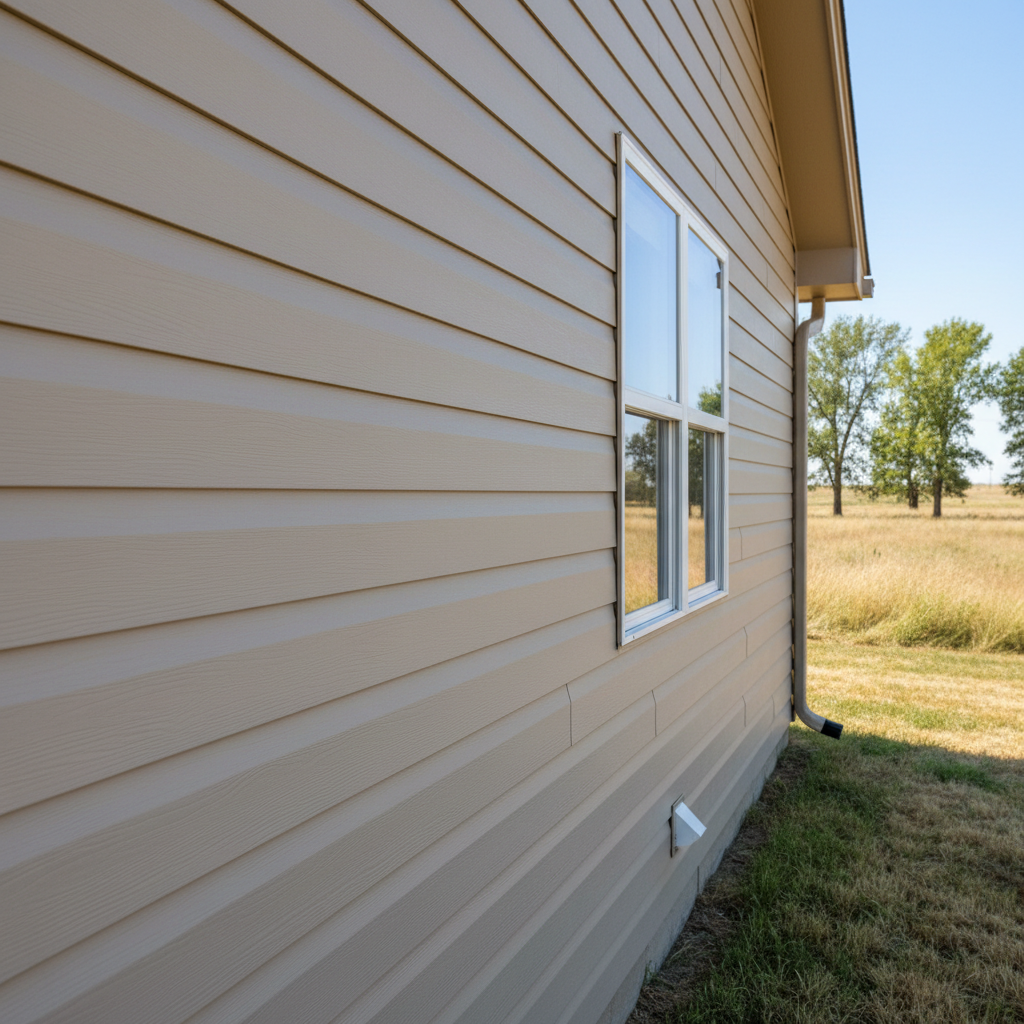
Alright, let's talk vinyl siding. I've been doing this a long time here in Garden City, and I hear the same questions pop up again and again. Folks want to know what they're getting into, and that's smart. So, I figured I'd lay out some straight answers to the most common stuff you're probably wondering about. This isn't marketing fluff; it's what I've learned on the job.
How long does vinyl siding actually last in our Kansas weather?
That's a big one, especially with our wild weather swings here in Garden City. You know how it is – blistering hot summers, icy winters, and those spring hailstorms that can come out of nowhere. A good quality vinyl siding, properly installed, should easily last you 20 to 40 years. Some manufacturers even offer lifetime warranties, though you always gotta read the fine print on those. The key is 'good quality' and 'properly installed.' Cheap, thin stuff won't hold up as well to the UV rays or the impact of hail. And if it's not installed right, it can buckle and warp, which shortens its lifespan significantly. We always make sure it's got room to expand and contract, which is crucial for vinyl.
Is vinyl siding really maintenance-free, or is that just a sales pitch?
Look, nothing is truly 'maintenance-free' unless it's a rock. But vinyl siding comes pretty darn close. You won't be painting it every few years, that's for sure. Mostly, what you'll need to do is give it a good wash every year or two. A soft brush, some mild detergent, and a garden hose usually do the trick. For tougher spots, or if you've got a lot of cottonwood fuzz sticking to it from the trees down by the Arkansas River, a pressure washer on a low setting can work, but you gotta be careful not to force water behind the panels. It's about keeping it clean, not repairing it. That's a huge time and money saver compared to wood or even some painted cement board.
What about insulation? Does vinyl siding add any R-value to my home?
This is a common misconception. Standard vinyl siding, by itself, doesn't add much, if any, R-value. It's a cladding, a protective shell. However, many homeowners choose to install insulated vinyl siding, which has a rigid foam backing already attached to the panel. That *does* add R-value, typically anywhere from R-2 to R-5, depending on the thickness and type of insulation. Or, you can add a layer of rigid foam insulation board directly to your exterior sheathing before the vinyl siding goes up. We often recommend this, especially for older homes in neighborhoods like the one near Garfield Elementary, where original insulation might be lacking. It makes a noticeable difference in your energy bills, especially during those 100-degree August days.
Can vinyl siding really stand up to our Kansas hail and strong winds?
It's true, we get some serious weather here. Modern vinyl siding is a lot tougher than the stuff from 30 years ago. It's designed to be flexible and impact-resistant. For hail, thicker gauges (the measurement of the siding's thickness) perform better. We're talking .044 inches or more. As for wind, proper installation is everything. Each panel needs to be securely fastened, but not too tight, to allow for movement. If it's installed correctly, it can withstand winds up to 110-140 mph, which covers most of what we see, even during a strong thunderstorm. If you're really worried, ask about products with enhanced windlock features. Ace Siding Inc. always uses fasteners and techniques designed for our local conditions.
What's the deal with fading? Will my new siding look chalky in a few years?
That used to be a bigger problem with older vinyl siding, especially darker colors. The sun's UV rays are brutal, and they can break down the pigments, leading to fading and that chalky appearance. But technology has come a long way. Today's high-quality vinyl sidings use advanced UV inhibitors and better color formulations that are much more fade-resistant. They're designed to keep their color vibrancy for decades. If you pick a reputable brand and a good quality product, you shouldn't have to worry about significant fading. You'll still see some minor changes over 20 years, but nothing like the old days.
How long does a typical vinyl siding installation take?
This really depends on the size and complexity of your house. A smaller, straightforward ranch house might take our crew just a few days. A larger, two-story home with lots of windows, doors, and architectural details could take a week or even two. Things like removing old siding, repairing any damage to the sheathing underneath, and the weather can also affect the timeline. We always give you a clear estimate of the project duration upfront. We work efficiently, but we don't cut corners just to finish fast. Getting it right the first time saves everyone headaches down the road.
What kind of prep work do I, as the homeowner, need to do before you start?
Not a whole lot, honestly, but a few things help us out. We'll need clear access around your house, so moving patio furniture, grills, and anything else away from the walls is a big help. If you have any delicate plants or shrubs right up against the house, you might want to cover them or trim them back a bit to protect them from falling debris. We'll take care of protecting your landscaping with tarps, but a little pre-work from you makes it smoother. Also, if you have any exterior decorations, light fixtures, or house numbers that you want to keep, it's good to remove those beforehand. We'll handle the downspouts, shutters, and other attached items.
Are there any downsides to vinyl siding I should know about?
Every material has its pros and cons, and vinyl is no different. While it's durable, it's not indestructible. A really sharp impact, like a rock thrown by a lawnmower or a severe hailstone, can crack or puncture it. It's also not fireproof; it will melt if exposed to extreme heat, though it's designed to be self-extinguishing. And while it's low maintenance, it can sometimes get dingy if you don't clean it, especially on the north side of a house where it doesn't get as much sun. But for most homeowners in Garden City looking for an affordable, attractive, and long-lasting exterior, the benefits of vinyl far outweigh these minor drawbacks. It's a solid choice for protecting your home.