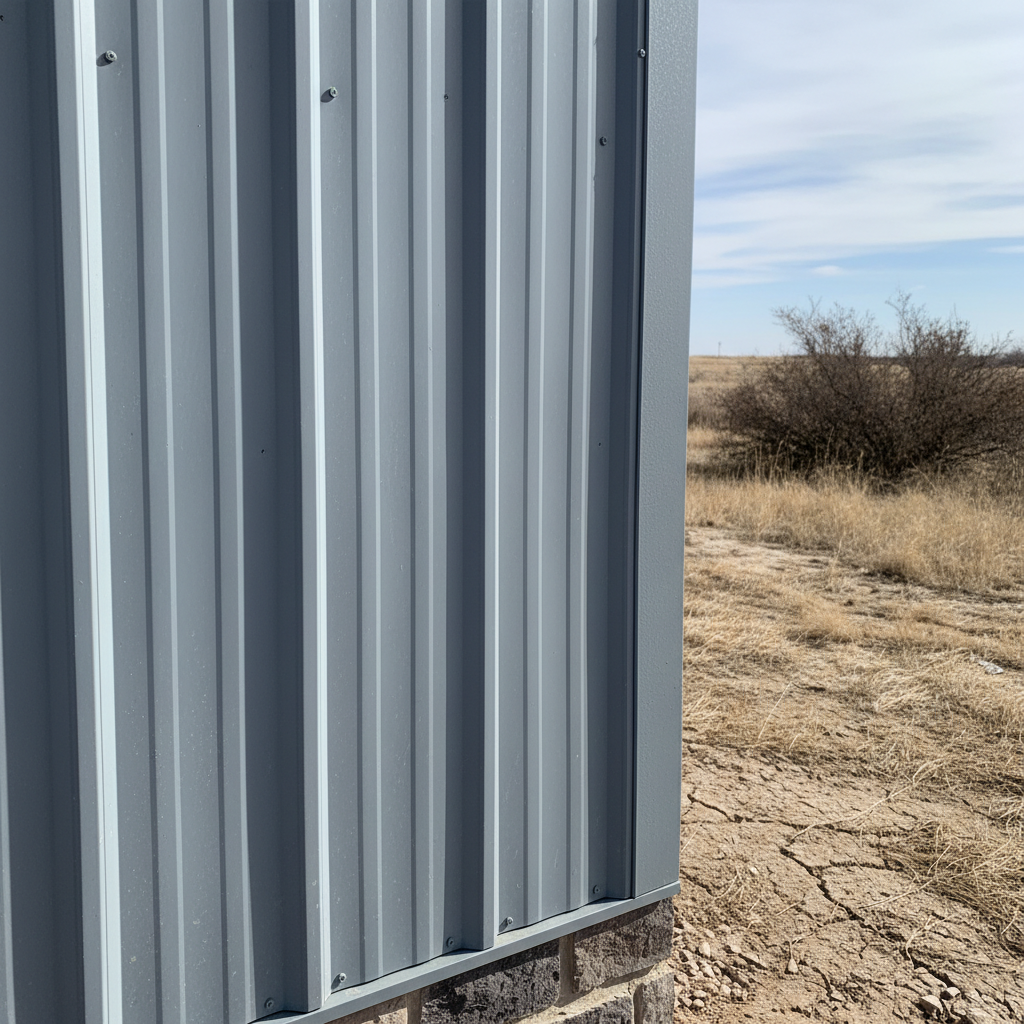
Thinking about metal siding for your place? It's a smart choice for a lot of homeowners around Garden City, especially with our crazy Kansas weather. I've seen it all in my years working on homes here, from the big hailstorms that roll through to the scorching summer sun. Metal siding holds up, no doubt about it. But before you jump in, you need to know what you're getting into, what you can realistically do yourself, and when it's time to pick up the phone and call a pro like us at Ace Siding Inc.
Before You Start: Planning & Prep
First things first, you've got to plan. Don't just order a bunch of panels and hope for the best. You need to decide on the type of metal siding – steel, aluminum, or even a more specialized option. Steel is super durable, great for resisting dents, which is a big plus with those golf-ball-sized hailstones we sometimes get. Aluminum is lighter and won't rust, but it can dent easier. Color and finish are big decisions too; you want something that'll look good for decades.
DIY folks, you can definitely handle a lot of the initial legwork. Measuring your home is a good starting point. Get accurate measurements of all walls, windows, and doors. This helps you estimate materials. You can also research local building codes. Garden City doesn't have anything too wild, but it's always good to double-check for things like insulation requirements or specific fastening rules. Getting a few quotes from suppliers for materials is another thing you can do yourself. This gives you a baseline for costs.
However, when it comes to structural assessments, that's where I'd say most homeowners should bring in an expert. You need to know if your existing wall sheathing is sound, if there's any rot, or if your framing can handle the new siding's weight, especially if you're going from something light like vinyl to a heavier gauge steel. A professional can spot issues you might miss.
During the Project: Installation Realities
Alright, so you've planned, you've got your materials. Now for the actual work. Installing metal siding isn't like slapping up a few fence pickets. It requires precision, specialized tools, and a good understanding of how the system works to prevent water intrusion.
For the handy homeowner, you might be able to tackle smaller, less complex sections, like a shed or a detached garage. If you're comfortable with power tools, cutting metal, and working at heights, you could potentially install straight runs on a single-story wall. You'll need specific shears for cutting metal, a good drill, and a level. Understanding how to properly flash around windows and doors is critical – this isn't a step you can skimp on. Improper flashing is how water gets in, and that leads to big problems down the road.
But for your main house, especially if it's two stories, has complex architectural features, or lots of windows and doors, I really recommend bringing in a professional. Here's why:
- Safety: Working on ladders and scaffolding with heavy, sharp metal panels is dangerous. We've got the safety gear and experience.
- Tools: We have specialized bending brakes for custom trim pieces, scaffolding, and other tools that most homeowners don't own or know how to use efficiently.
- Expertise: Getting the panels perfectly level, ensuring proper overlap, and creating watertight seals around every opening takes skill. Those older homes in the 'Northwest Addition' neighborhood, for example, often have slightly uneven foundations or walls, which can make siding installation tricky if you don't know how to compensate.
- Warranty: Most manufacturers' warranties on metal siding require professional installation to be valid. If you DIY and something goes wrong, you might be out of luck.
A good contractor will also handle the disposal of your old siding, which can be a real headache to deal with yourself.
After It's Done: Maintenance & Care
Once your new metal siding is up, you'll be glad to know it's pretty low maintenance. That's one of its big selling points. You won't be painting it every few years like wood, and it's much tougher than vinyl.
What you can do yourself after the project is basic cleaning. A good rinse with a garden hose once a year usually does the trick to remove dirt and dust. For stubborn spots, a soft brush and mild detergent work fine. Just don't use abrasive cleaners or steel wool – you'll scratch the finish. You should also regularly inspect your siding for any signs of damage, especially after a big storm. Look for dents, scratches, or loose fasteners. If you spot a small dent, sometimes you can gently push it out from the inside, but be careful not to make it worse.
When should you call a pro post-installation? If you see significant damage, like large dents that compromise the panel's integrity, or if you notice any signs of water intrusion around windows or doors. If a panel gets severely damaged and needs replacement, matching the color and ensuring a seamless repair is usually best left to someone with experience. We've got the connections to get replacement panels and the know-how to install them without messing up the surrounding sections.
Ultimately, metal siding is a fantastic investment for your Garden City home. Just be realistic about your skills and time. For the big jobs, or if you want peace of mind and a professional finish, don't hesitate to give Ace Siding Inc a call. We're here to help you get it right.